First, the soft truth about Cebu
Cebu is louder, busier, and less polished than Boracay or Palawan. That's not a flaw — it's the point. Cebu is a working island. It has the largest Filipino city outside Manila, ferries to half the country, and a deep, layered history that runs from precolonial chieftains to Magellan's failed welcome.
If you come expecting a sterile, sun-cream-scented resort island, you'll be quietly disappointed. If you come ready to slow down, eat well, swim early, and let the island show you what it actually is — Cebu rewards you generously.
The visitors who fall hardest for Cebu are the ones who don't try to "see everything." They pick three or four things and let the rest unfold.
How long should you stay?
The honest answer: at least 5 nights, ideally 7 or more. Anything less and you'll spend the whole trip in transit. Cebu is long — over 200 km — and the famous spots (whale sharks in the south, canyoneering in the southwest, Bohol off the east) are spread out.
A simple, calm rule: budget one full day for each "big" experience, and one full day to do nothing at all between them. The do-nothing days are when Cebu opens up.
Day 1: Arrival, Cebu City heritage walk, slow dinner. Day 2: Island hopping (Mactan area). Day 3: Whale sharks + Tumalog Falls + slow drive home. Day 4: Pure rest day. Day 5: Kawasan canyoneering. Day 6: Bohol day trip. Day 7: Massage, beach, packing.
Where to stay (and where not to)
For first-timers: Mactan Island
Most international flights land at Mactan-Cebu International Airport, which is on Mactan Island — connected to Cebu City by two bridges. Staying on Mactan means being close to white-sand beaches, the airport, and most island-hopping departure points. We recommend it for first-time visitors and families.
For city lovers: Cebu City (IT Park or Mabolo)
If you'd rather walk to cafes, eat in a hundred different restaurants, and feel the pulse of a real Filipino city — base in Cebu City. IT Park (modern, quiet, food-rich) and Mabolo (a touch grittier, warmer) are both excellent.
Where not to stay (a kind warning)
We gently steer travellers away from very cheap hostels in the downtown blocks south of Colon Street unless you're an experienced solo traveller. The area isn't dangerous, but it's loud and chaotic — not ideal for jet-lagged first impressions.
The four experiences worth planning around
1. The whale sharks of Oslob
Yes, you've read the debate. Our local position: the modern, regulated programme is better than the alternative, which would be poaching. Visit early (we leave Cebu City at 3:30 AM), respect the rules, and you'll witness something quietly extraordinary.
2. Kawasan canyoneering
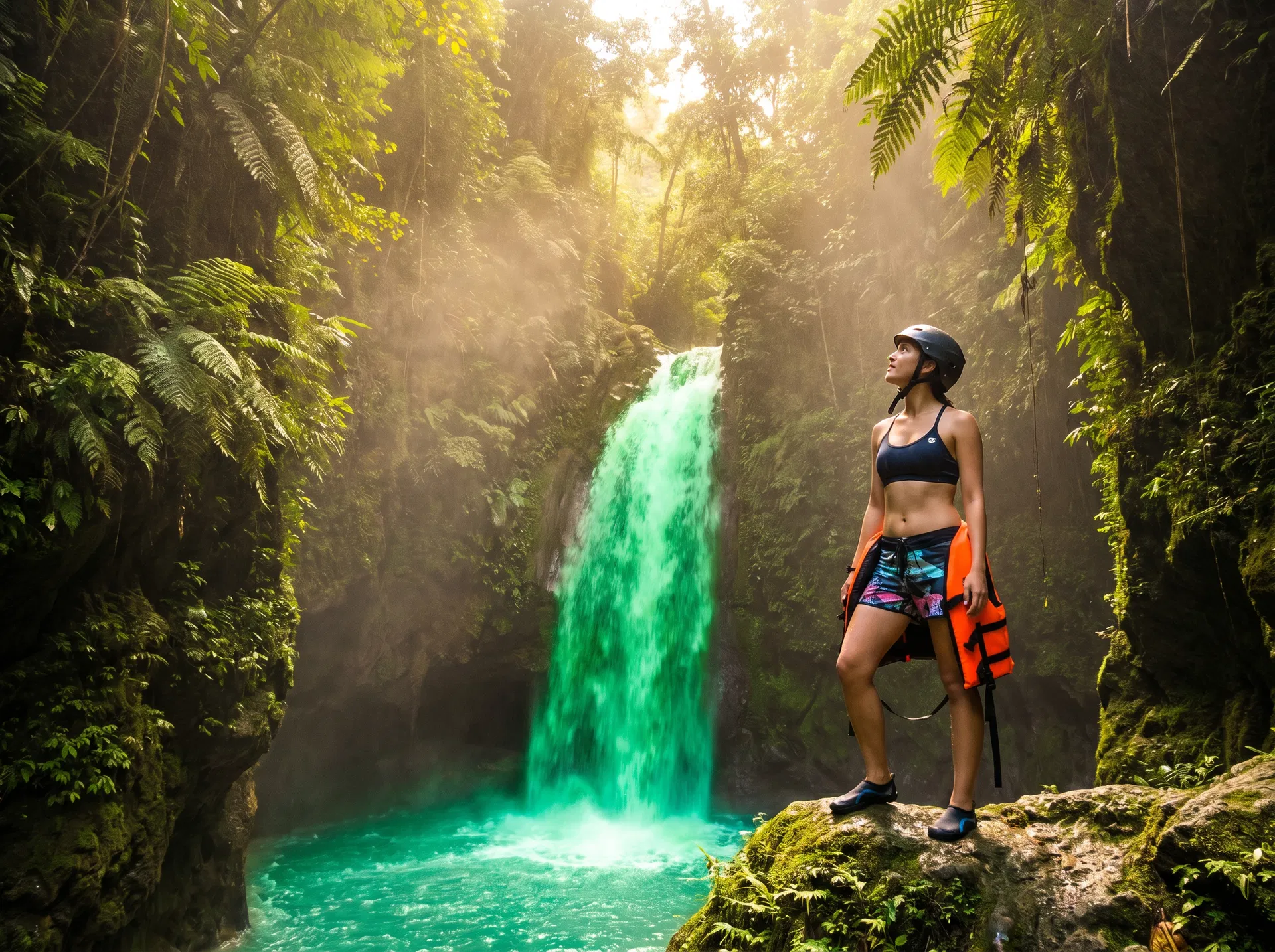
Cliff jumps from 3 to 12 metres, natural waterslides, and a slow swim through emerald pools. It's more strenuous than it looks but accessible to most reasonably fit adults. Wear shoes that can get wet — flip-flops will be a regret.
3. Island hopping in Mactan or Bantayan
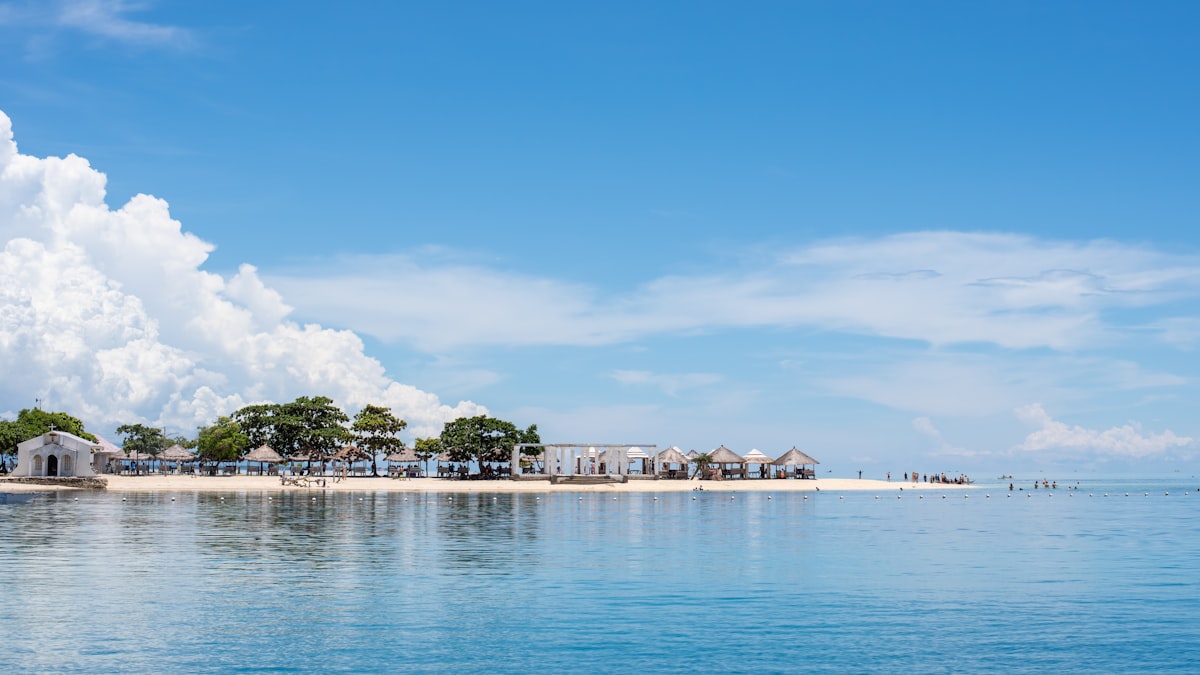
Mactan island hopping is convenient (Nalusuan and Hilutungan are 20 minutes by boat). Bantayan, in the far north, requires a 3-hour drive and a ferry — but the beaches are quieter and the sand is whiter. Choose Mactan for ease, Bantayan for soul.
4. A day trip to Bohol
Bohol is technically a different island, but the 2-hour fast-ferry from Cebu City makes it a viable day trip. The Chocolate Hills, the Loboc River, and the impossibly cute tarsiers all fit into one (long) day. Worth it.
How to get around Cebu
Public transport in Cebu is improving but still scattered. Grab (the Asian equivalent of Uber) works in Cebu City and Mactan and is the easiest way to move around within those areas. For long-distance travel — Oslob, Kawasan, Bantayan — you'll want a private van with driver. We can arrange this even if you're not on a tour with us; just message us.
The food (please, please don't skip this)
Cebu's food scene is dramatically underrated. A few things you should genuinely try:
- Cebu lechon. The whole roast pig that even Anthony Bourdain called the best in the world. Find it at Rico's, House of Lechon, or any roadside stall that smells right.
- Puso (hanging rice). Rice cooked in woven coconut leaves. A pure local thing.
- Sutukil. A coastal cooking style: SU-gba (grilled), TU-la (in soup), KIL-awin (raw, vinegar-cured). Try all three at one of the open-air sutukil restaurants near Mactan.
- Dried mangoes. Cebu's famous export. The 7D brand is everywhere, but local market versions are better.
What to pack (and what not to)
Pack light. Cebu is hot and humid year-round (24–32°C). Linen shirts, swim shorts, and sandals are 80% of what you'll wear. A light rain jacket for sudden tropical showers. Biodegradable sunscreen is required at marine sanctuaries — bring some, or buy it locally.
What to leave behind: heavy jeans, hair dryers (every hotel has one), expensive watches and jewellery, and any expectation that things will run on time. Filipino time is real and is, honestly, part of the charm.
The thing nobody tells you
The best part of Cebu isn't on any list. It's the morning you'll wake up early, walk down to the beach with a coffee, and watch the fishing boats come back in. Or the unplanned afternoon you'll spend in a small karenderya talking to the owner about her grandchildren. Or the moment your guide pulls over for a fruit stand and you'll realise you've never tasted a lanzones until now.
Plan three or four big things. Then leave room. The island will fill in the rest.
If you'd like a calmer, more local Cebu experience without piecing it together yourself — that's literally what we do. Send us a note. We'll quietly build an itinerary that fits you, your group, and your dates. No commitment, no hard sell.